
by Jack Norris, RD
Two 2026 meta-analyses (released in one month of each other) reached different conclusions about vegans and colorectal cancer. Here are the differences.
Dunneram et al. conducted a pooled analysis using individual participant data from 9 cohorts comprising 1.8 million people and 220,387 incident cancers, with a median 16-year follow-up. Aune et al. conducted a more traditional aggregate meta-analysis, combining published summary estimates from 7 cohorts. Dunneram applied false discovery rate (FDR) correction across 16 associations; Aune did not apply multiplicity correction.
Despite the large number of cohorts, for vegans and colorectal cancer, there were much fewer cohorts to draw data from (as shown in the table below).
| Vegans and Colorectal Cancer: Dunneram vs. Aune | ||
|---|---|---|
| Dunneram 2026 | Aune 2026 | |
| Method | Pooled individual data | Aggregate meta-analysis |
| Cohorts | 7 contributing vegan CRC data | 2 (AHS-2, EPIC-Oxford/OVS) |
| Vegan CRC cases | ~93 | NR |
| Colorectal cancer HR/RR | 1.40 (1.12–1.75)* | 1.02 (0.71–1.48) |
| Rectal cancer | 1.78 (1.23–2.57)* | Not analyzed for vegans |
| Multiplicity correction | Yes (FDR) | No |
| 4-year lag exclusion | Attenuated but remained significant | Not performed |
| *False Discovery Rate (FDR) significant; NR = not reported; OVS = Oxford Vegetarian Study | ||
The two studies overlap considerably in their vegan data, both include AHS-2 and EPIC-Oxford/OVS, yet reach different conclusions. The key differences are that Dunneram et al. includes additional cohorts contributing vegan cases, uses individual participant data allowing more precise adjustment, applies FDR correction, and analyzes rectal cancer separately. Aune’s two contributing studies point in opposite directions (AHS-2: RR 0.88; EPIC-Oxford: RR 1.29), producing a null result.
The vegan colorectal cancer question remains unresolved. Case numbers are small across all studies; Dunneram’s finding rests on roughly 93 vegan cases.
Both papers acknowledge that diet adherence duration, calcium intake, and long-chain omega-3 intake may be important factors not fully captured by diet group classification alone.
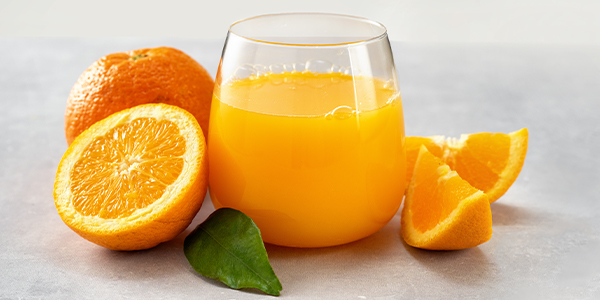
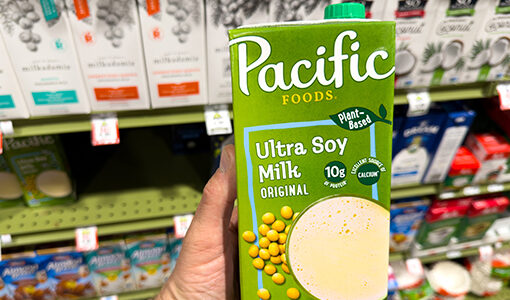
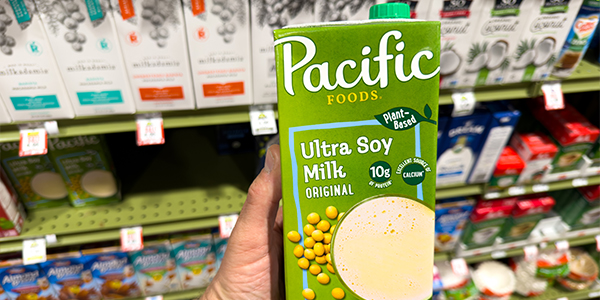
I’m in the process of reviewing the literature on omega-3s and colorectal cancer. As for calcium, in her post about calcium and the colon, Ginny Messina makes an interesting point that it might be important to eat a significant amount of calcium that is not absorbed, so that it can bind to bile acids and fatty acids in the colon and prevent them from damaging the colon lining. She’s inspired me to make sure I don’t forget to include some calcium-fortified orange juice and/or soymilk each day.
I’ve updated Cancer and Vegan Diets with this new information.
References


3 thoughts on “Cancer Meta-Analysis (Another One!)”
Sorry —Autocorrect changed some things in my original comment! Here is what I meant to say: You did not actually say explicitly what the conclusions of each of the studies were. You just said they reached different conclusions. Please explain. Thanks.
Hi Margaret,
I included the findings by way of the relative risk (RR) or hazard ratio (HR). The Dunneram meta-analysis found that vegans had a 40% increased risk of colorectal cancer and a 78% increased risk of rectal cancer compared to meat-eaters. The Aune meta-analysis found that vegans had the same rate of colorectal cancer as regular meat-eaters. There’s no conclusion other than that we should pay attention to colorectal cancer in vegans in future studies to see if this trend continues (hopefully it won’t).
Thank you for this Jack! Looking forward to your updated findings regarding omega-3s.