by Jack Norris, Registered Dietitian
Contents
Note: I used AI for the literature review, data analysis, claim verification, and editing of much of this article. Last updated: August 2026.
Essential Information
Summary. Vegans should choose numerous high-choline foods each day; this is especially true if you’re planning a pregnancy.
Choline helps prevent fatty liver by transporting fat out of the liver. It also helps produce acetylcholine, a neurotransmitter involved in mood, memory, and muscle control (Office of Dietary Supplements).
Researchers identified choline as an essential nutrient in the 1990s. Although our bodies can make small amounts of choline, it’s not enough to meet its needs.
The dietary reference intake (DRIs) for choline is an adequate intake (AI). AIs are used when there isn’t enough evidence to determine a recommended dietary allowance (RDA). The AI is 500 mg for men, and 425 mg for women; see Table 1 for other age groups and life stages.
The AI for choline is based on a small body of research and cannot pinpoint the exact amount most people need. While most vegans probably don’t meet the AI, aiming for 300 mg/day is a reasonable target—it’s well above the levels shown to cause deficiency and within ranges not associated with increased disease risk. In fact, most Americans don’t meet the choline AI; on average, daily intakes are about 258 to 273 mg for women and 396 to 405 mg for men.
Choline has been hypothesized to prevent birth defects. In populations where food hasn’t been routinely fortified with folate, there are links between neural tube defects (NTDs) and low choline intake, but not in populations with folate fortification; intakes above roughly 30% of the AI might help prevent cleft lip.
Although choline is considered important for neurological development in children, differences between groups at typical choline intakes haven’t found a reliable benefit. Vegan and vegetarian mothers who breastfeed appear to have similar breast milk choline levels as non-vegetarian mothers.
Research suggests low choline intake (≤219 mg/d) may be a risk factor for dementia, but it’s unclear whether a high intake offers additional protection; supplementation trials haven’t found a clear benefit for improving cognition. Choline has been hypothesized both to decrease heart disease risk by lowering homocysteine and to increase risk by raising TMAO; no area of findings is strong. Choline doesn’t seem to have a strong causal role in cancer risk, protective or harmful.
The safe upper limit for choline intake is 3,500 mg/day; excessive intake is associated with fishy body odor, nausea, low blood pressure, and liver toxicity. If you choose to take choline supplements, stick with a low dose and avoid choline bitartrate.
We don’t have rigorous studies of choline intake among vegans. The USDA database of the choline content of foods shows small but consistent amounts across a range of plant foods; see Table 2. Plant Sources of Choline and Table 3. Choline in a 2,000-Calorie Vegan Menu. Foods contain choline in several different forms, which include free choline, phosphatidylcholine (aka lecithin), sphingomyelin, glycerophosphocholine, and phosphocholine.
Common plant foods supply betaine and folate, which might reduce dietary choline needs; it hasn’t been quantified, so we can’t give specific recommendations.
The one study that has directly measured plasma choline levels in vegans — including some following a whole-food vegan diet without additional supplements — found levels within the normal range. However, plasma choline isn’t considered a reliable biomarker of choline status.
Anecdotal musings. If someone knew I had worked on this article for dozens, possibly 100, hours, they might be surprised. Because as you read it, it seems almost like much ado about nothing. There isn’t strong evidence that vegans generally need to worry about choline. However, I’ve seen posts on message boards from vegans claiming to crave eggs. I find this a little more interesting than a typical craving might be — I’ve never liked the smell of eggs, and after years of being vegan, I find it actively unpleasant. If that’s a common experience among vegans, then a genuine craving for eggs, despite an aversion to their smell, might be pointing to something. I know research generally doesn’t support nutrient-specific cravings, with only a few exceptions. But if these cravings are real and don’t stem simply from missing the taste or memory of eggs, I know a few potential explanations.
A low-protein or low-fat vegan diet could drive a desire for something more calorie-dense and satiating, which then gets channeled into a craving for a specific, familiar food from someone’s pre-vegan life—eggs, in this case, rather than tofu or lentils. It’s also conceivable, though speculative, that an inadequate choline intake contributes to a general sense of low energy or brain fog that someone associates with life before going vegan, prompting a craving for the foods they ate back then — but this is a guess, not something with real evidence. For what it’s worth, in 2011 I experimented with taking choline supplements myself just to see if they made any difference in how I felt, and they didn’t.
If you’re interested in more thoughts I have about choline and vegan diets, see Much Ado about Choline and To Quit or Not to Quit Veganism: Part Two.
| Table 1. DRI for CholineA | ||
|---|---|---|
| Age | Female(mg) | Male(mg) |
| 0-6 mos | 125 | 125 |
| 7-12 mos | 150 | 150 |
| 1-3 yrs | 200 | 200 |
| 4-8 yrs | 250 | 250 |
| 9-13 yrs | 375 | 375 |
| 14-18 yrs | 400 | 550 |
| ≥ 19 yrs | 425 | 550 |
| Pregnant | 450 | |
| Breastfeeding | 550 | |
| A. DRIs, 1998. | ||
| Table 2. Plant Sources of CholineA | ||
|---|---|---|
| Food | Choline(mg) | |
| BlueBonnet Nutrition lecithin granules, 1 scoop (7.5 g) | 225 | |
| Soymilk, original and vanilla, unfortified, 1 cup | 57.3 | |
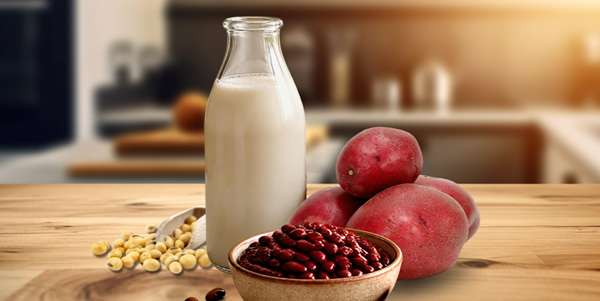
| Potatoes, red, baked, flesh and skin, 1 large | 56.5 | |
| Roasted soynuts, ¼ cup | 53 | |
| Kidney beans, canned, ½ cup | 45 | |
| Quinoa, cooked, 1 cup | 43 | |
| Navy beans, cooked, boiled, ½ cup | 40.7 | |
| Collards, cooked, boiled, ½ cup | 36.5 | |
| Tofu, firm, prepared with calcium sulfate and magnesium chloride (nigari), ½ cup | 35.4 | |
| Chickpeas, cooked, boiled, ½ cup | 35.1 | |
| Lentils, cooked, boiled, ½ cup | 32.4 | |
| Brussels sprouts, boiled, ½ cup | 32 | |
| Broccoli, boiled, ½ cup | 31.3 | |
| Pinto beans, cooked, ½ cup | 30.2 | |
| Black beans, cooked, boiled, ½ cup | 28.1 | |
| Shiitake mushrooms, cooked, ½ cup | 26.7 | |
| Wheat germ, 2 tbsp | 25.3 | |
| Soy protein powder, 1 oz | 24 | |
| Peanuts, dry roasted, ¼ cup | 24 | |
| Cauliflower, boiled, ½ cup | 24 | |
| Peas, boiled, ½ cup | 24 | |
| Peanut butter, smooth, 2 tbsp | 20 | |
| Orange, 1 large | 15.5 | |
| Almonds, dry roasted, 1 oz | 15 | |
| Tomato sauce, ½ cup | 12.2 | |
| Carrot juice, canned, ½ cup | 11.7 | |
| Banana, raw, 1 medium | 11.6 | |
| Oatmeal, instant, fortified, plain, prepared with water, 1 cup | 11 | |
| Walnuts, English, 1 oz | 11 | |
| Potatoes, boiled, with skin, ½ cup | 10.5 | |
| Dates, medjool, 4 | 9.5 | |
| Bread, whole-wheat, commercially prepared, 1 slice | 8.7 | |
| Zucchini, boiled, ½ cup | 8.5 | |
| Spaghetti, cooked, enriched, 1 cup | 8 | |
| Apples, raw, with skin, 1 large | 7.6 | |
| Tahini, 2 tbsp | 7.6 | |
| Lettuce, cos or romaine, 1 ½ cups | 7 | |
| Avocado, ¼ cup cubes | 5.4 | |
| A. USDA, 2019. • For comparison, liver (356 mg per 3-ounce serving) and eggs (147 mg for a large hard-boiled egg) are the animal foods highest in choline (ODS, 2022). | ||
| Table 3. Choline in a 2,000-Calorie Vegan MenuA | ||
|---|---|---|
| Breakfast | Choline (mg) | Calories |
| 1 cup oatmeal, cooked in water | 17.3 | 166 |
| 2 tablespoons chopped English walnuts | 5.8 | 96 |
| 1 tablespoon wheat germ | 25.3 | 54 |
| 1 banana | 11.6 | 105 |
| 1 cup soy milk | 57 | 104 |
| Total | 117 | 525 |
| Snack | ||
| 1 navel orange | 11.8 | 69 |
| 1/4 cup dry-roasted almonds | 18 | 206 |
| Total | 29.8 | 275 |
| Lunch | ||
| 2 corn tortillas | 6.4 | 104 |
| 1 cup pinto beans | 60.4 | 245 |
| 1/2 cup cooked sliced portobello mushrooms | 19.9 | 18 |
| 1/4 cup sliced avocado | 5.2 | 59 |
| 1/4 cup sliced tomatoes | 3 | 8 |
| Total | 94.9 | 434 |
| Snack | ||
| 1/2 cup raw sliced carrots | 5.35 | 25 |
| 1/2 cup raw cauliflower florets | 23.7 | 13 |
| 1/4 cup hummus | 17.1 | 109 |
| Total | 46.15 | 147 |
| Dinner | ||
| 1 cup cooked quinoa | 42.6 | 222 |
| 1 cup cooked broccoli | 62.6 | 55 |
| 1 cup tofu | 71.4 | 188 |
| 1/4 cup peanut sauce (includes 2 tablespoons peanut butter) | 20.2 | 191 |
| Total | 196.8 | 656 |
| Daily Total | 485 | 2,037 |
| A. USDA, 2019. | ||
Research
Daily needs. The AI for choline is based on a small body of research and cannot pinpoint the exact amount most people need:
- The requirement for choline was discovered in patients on long-term, intravenous nutrition who developed fatty liver disease that resolved once choline was added to their feeding regimen. Without choline, they couldn’t make phosphatidylcholine, a compound needed for fat metabolism and transport (Buchman, 1992; Buchman, 1995; Buchman, 2001; Hollenbeck, 2010).
- The AI (550 mg/day for men, 425 mg/day for women) comes from a single 1991 University of North Carolina (UNC) study: 8 men given 50 mg/day or less of choline developed deficiency markers (elevated liver enzymes, fatty liver, elevated creatine phosphokinase), which resolved with a 500 mg/day supplement. The study never tested doses between 50 and 500 mg (Zeisel, 1991).
- At least five follow-up studies, all from the same UNC research group, induced deficiency with diets of about 50 mg/day or less; a large proportion of subjects developed dysfunction markers within six weeks, suggesting few people can stay healthy on less than 50 mg/day (da Costa, 2004; da Costa, 2006; Fischer, 2007; Fischer, 2010; Kohlmeier, 2005).
- The amount needed to reverse deficiency varied widely between studies: 138 mg of choline per 170 lbs of body weight normalized creatine phosphokinase in one small, all-male study that didn’t measure liver function (da Costa, 2004).
- Another study found that when switched from their normal diet to an acclimation phase diet containing 550 mg/day of choline, 6 out of 26 men developed elevated liver enzymes (AST/ALT) and, in most of these six, sharply elevated CPK (a muscle-damage marker). It’s not clear why. Ten days might not have been long enough for those 6 men to acclimate. It’s also possible they have genetics that affect how their bodies handle choline. To normalize, one man received 825 mg (per 170 lbs of body weight) of choline—the amount needed for repletion for the other 5 men wasn’t reported. The current AI fully resolved deficiency in 81% of subjects overall (across both sexes and diet phases). However, this study was too small and not designed to determine such men’s long-term choline needs (Fischer, 2007).
- Premenopausal women were much less likely to develop deficiency, possibly because estrogen offsets the effect of a genetic variant that otherwise raises choline requirements (da Costa, 2006; Fischer, 2010).
Average U.S. choline intakes. Most Americans don’t meet the choline AI; on average, daily intakes are about 258 to 273 mg for women and 396 to 405 mg for men:
- A 2011 USDA analysis of NHANES data (2007–2008), independent of industry funding, estimated mean choline intake at 302 mg/day overall — 396 mg/day for men and 260 mg/day for women (Chester, 2011). A later analysis of more recent NHANES cycles (2009–2014) found similar averages (338 mg/day overall; 405 mg/day men, 273 mg/day women) and estimated only about 8% of adults meet the AI; that analysis’s lead author discloses funding from choline- and egg-industry-linked sources (Wallace, 2017).
- An older, smaller UNC Chapel Hill study asked 32 healthy adults to keep a 3-day food record of their usual home diet. Reported intake averaged 398 mg/d in men (72% of the AI) and 258 mg/d in women (61% of the AI) — well below the AI for both sexes, though a 3-day window may not fully capture typical intake given how much choline content can vary day to day depending on what’s eaten. The same subjects later ate more choline, an average of 631 mg/d for men and 443 mg/d for women, when housed in a research center and choosing meals from a hospital kitchen menu, but this reflects a short, atypical eating context more than habitual intake. Betaine intake from the food records was also substantial (3.2 mg/kg/d men, 2.8 mg/kg/d women), which may have modestly reduced these subjects’ effective need for choline, since betaine is also a methyl donor Fischer, 2005.
Birth defects. In populations where food hasn’t been routinely fortified with folate, there are links between neural tube defects (NTDs) and low choline intake, but not in populations with folate fortification; intakes above roughly 30% of the AI might help prevent cleft lip:
- NTDs and choline intake in pre-folate fortification populations. A pre-fortification California case-control study found that women in the highest quartile of choline intake (>498 mg/d) had roughly half the odds of an NTD-affected pregnancy versus the lowest quartile (Shaw, 2004).
- NTDs and choline intake in post-folate fortification populations. A post-fortification California study found no significant association between dietary choline intake and NTD risk across the full observed range (25th–75th percentile: 293–506 mg/d) — though it can’t tell us where any meaningful threshold might be, or whether one exists at all in a folate-replete population (Carmichael, 2010). Another post-fortification U.S. study of women already meeting folic acid recommendations found no association between intakes of choline and several other one-carbon nutrients and NTD risk — but roughly 95% of participants consumed at least 200 mg/day, leaving a very small lower-intake reference group and making it difficult to draw meaningful conclusions about choline’s role (Petersen, 2023).
- NTDs and blood choline. A study measuring serum (rather than dietary) choline in over 180,000 pregnant women in a folate-fortified population (California, 2003–2005) found a strong, statistically significant dose-response relationship: women in the lowest decile of serum choline had roughly 2.4 times the odds of an NTD-affected pregnancy, and those in the highest decile had roughly 0.14 times the odds, relative to the middle 50% (adjusted trend p=0.0006). However, several factors complicate interpreting this as evidence about dietary choline specifically: serum choline is only weakly linked to actual intake, since it’s also shaped by endogenous synthesis (estrogen- and genotype-dependent) and whole-body membrane turnover — the study had no dietary or supplement data at all, so it’s unclear whether the association reflects diet, metabolic differences, or reverse causation from the affected pregnancy itself. Blood was also drawn 15–18 weeks into pregnancy, about 12 weeks after neural tube closure, which may not reflect the periconceptional exposure window that matters biologically (the authors argue this bias would likely underestimate any true effect, though this claim isn’t independently verified). The extreme-decile comparisons driving the headline numbers rest on small samples (as few as 1 case in the top decile), and the more robust quartile-level comparisons, while consistent in direction, have adjusted confidence intervals that touch 1.0. The study authors themselves describe this as a preliminary finding needing replication, potentially via a designed trial, before firm conclusions or recommendations can be drawn (Shaw, 2009). Another study found no correlation between maternal plasma choline and NTD risk, though it also measured mid-pregnancy plasma choline rather than periconceptional dietary intake (Mills, 2014).
- Cleft lip/palate, post-folate fortification, and choline intakes. A study using National Birth Defects Prevention Study data found that women in the highest quartile of choline intake (>265 mg/d) had a lower risk of cleft lip with or without cleft palate than the lowest quartile (Shaw, 2006).
Child cognitive development. Although choline is considered important for neurological development in children, differences between groups at typical choline intakes haven’t found a reliable benefit:
- A systematic review identified four RCTs and five observational studies of prenatal choline and child neurodevelopment; most outcomes across both study types were null, and the trials reporting a benefit each tested multiple outcomes with no group differences on most of them. The reviewers flagged small sample sizes, high attrition, non-validated outcome measures, and selective reporting as limitations undermining the positive findings; Australian Eggs Ltd partially funded the review, though the authors declared no conflict of interest (Gould et al., 2025).
- Included in the meta-analysis above by Gould et al. was one trial of 20 children that found a benefit: children whose mothers received a total of 930 mg/day of choline (about twice the AI) during the third trimester scored better on a sustained-attention task at age 7 than children whose mothers received about the AI (0.71 vs. 0.56; p=.02) (Bahnfleth, 2022). This is the same small feeding trial that earlier reported an infant attention benefit (Caudill, 2018) — so it reflects one small, repeatedly tested cohort rather than independent replication, and the trial’s choline supplement was manufactured by, and this analysis partly funded by, Balchem, along with the Egg Nutrition Center. These are lab-measured attention tasks, not real-world outcomes like school performance; a 14-year follow-up assessing memory and mental health in adolescence has completed data collection but, as of August 2026, hadn’t yet been published (Roth, 2025).
Breast milk. Vegan and vegetarian mothers who breastfeed appear to have similar breast milk choline levels as non-vegetarian mothers:
- Although a woman’s choline intake may affect levels in breast milk (Davenport, 2015), a study of 74 healthy lactating women found no difference in levels of water-soluble choline (the predominant form of choline in breast milk) among women following vegan, vegetarian, and non-vegetarian diets (Perrin, 2019).
Choline and cognitive function in adults. Research suggests low choline intake (≤219 mg/d) may be a risk factor for dementia, but it’s unclear whether a high intake offers additional protection; supplementation trials haven’t found a clear benefit for improving cognition:
- The Framingham Offspring Study found that higher choline intake was associated with better verbal and visual memory among adults (Poly, 2011). A 16-year follow-up of 3,224 Framingham Offspring Study participants found that low choline intake (≤219 mg/d) was associated with roughly double the risk of developing dementia (HR ≈2.3, 95% CI ≈1.2–4.3) compared to medium intake (220–516 mg/d), after adjusting extensively for confounders including APOE ε4 genetic status. Alzheimer’s disease, which accounted for 72% of the dementia cases (177 of 247), showed a similar pattern. High choline intake (≥517 mg/d) was not significantly associated with risk (HR ≈0.82, 95% CI ≈0.23–2.93), though the high-intake group was small (82 people, with only 9 dementia cases). These HRs and CIs were AI-calculated from the study’s reported beta coefficients and standard errors: HR = e^β, 95% CI = e^(β±1.96×SE) (Yuan, 2022).
- A 2015 systematic review of 13 studies found no improvement in cognitive function among healthy adults taking choline supplements (Leermakers, 2015). A Cochrane review of clinical trials of lecithin supplementation in people with memory loss, Alzheimer’s disease, or Parkinson’s dementia found no clear benefit (Higgins, 2004). As of August 2026, no follow-up appears to have been published.
- A systematic review of choline intake and Alzheimer’s disease was registered in 2023, though results do not yet appear to be published (Aguree, 2023).
Heart disease. Choline has been hypothesized both to decrease heart disease risk by lowering homocysteine and to increase risk by raising TMAO; no area of findings is strong:
- Higher choline intake has been linked to lower homocysteine, though it didn’t test whether this translated into reduced cardiovascular disease risk (Cho, 2006).
- Four larger studies found no relationship at all between choline intake and actual cardiovascular events: the Dutch arm of EPIC (Dalmeijer, 2008), the Atherosclerosis Risk in Communities study (>14,000 adults, 14 years) (Bidulescu, 2007), an analysis of over 100,000 Nurses’ Health Study and Health Professionals Follow-up Study participants looking at peripheral artery disease (Bertoia, 2014), and a 2017 meta-analysis of six prospective cohort studies (Meyer, 2017).
- A 2024 meta-analysis of 6 cohorts (~483,000 people) looking at mortality rather than disease incidence found that each 100 mg/day increment in choline intake was associated with a relative risk of 1.06 for all-cause mortality and 1.11 for cardiovascular mortality — but the pooled studies showed high heterogeneity for all-cause mortality (I²=84%) and moderate heterogeneity for cardiovascular mortality (I²=54%), tested multiple outcomes without discussing correction for multiple comparisons, and mostly didn’t separate choline from eggs and red meat, a major potential confounder the study’s own authors acknowledge as a limitation (Sharifi-Zahabi, 2024). One of the six cohorts, using phosphatidylcholine intake specifically, did test this directly (Zheng, 2016); after adjusting for egg, red meat, and fish intake, people in the highest intake quintile (a median of 235–261 mg/d across the two cohorts, versus 130–140 mg/d in the lowest) still had a relative risk of 1.07 (1.02–1.13) for all-cause mortality compared to those in the lowest. Phosphatidylcholine is only one of several dietary forms of choline (along with free choline, glycerophosphocholine, phosphocholine, and sphingomyelin); one study found it accounted for 44% of total choline intake in a Norwegian population (Van Parys, 2022), so participants’ total choline intake, which Zheng didn’t report, was likely substantially higher than these phosphatidylcholine figures alone suggest — potentially at or above the AI in the highest quintile, rather than clearly below it.
- Separately, gut bacteria convert choline to a compound called TMAO, which several cohort studies have linked to cardiovascular risk, including a MESA cohort study of 6,767 adults (32% higher risk in the highest vs. lowest TMAO quintile, though this became non-significant after adjusting for kidney function) (Budoff, 2025), the EPIC-Norfolk cohort (Tang, 2021), and a Cardiovascular Health Study/MESA analysis of heart failure (Tang, 2024), building on earlier work tying TMAO and egg-derived choline to cardiac events (Wang, 2011; Tang, 2013).
- Nearly all of this TMAO evidence comes from one Cleveland Clinic research group led by Stanley Hazen, who holds a U.S. patent on using TMAO as a cardiovascular risk predictor (USPTO, 2024). An independent group found no association between TMAO and 10-year survival at all (Bjørnestad, 2022), and the null finding for choline and CVD incidence in Meyer et al.’s 2017 meta-analysis further undercuts the TMAO hypothesis.
Choline and cancer. Choline doesn’t seem to have a strong causal role in cancer risk, protective or harmful:
- A study of 90,663 premenopausal women (Nurses’ Health Study II) found no evidence that higher choline intake reduced breast cancer risk (Cho and Holmes, 2007).
- A study of 39,246 women found that higher choline intake was associated with an increased risk of colorectal adenomas (Cho and Willett, 2007).
- A study of 47,302 men (Health Professionals Follow-up Study) found no significant association between choline intake and colorectal cancer (Lee, 2010).
- A case-control study of breast cancer found the highest quintile of choline intake was associated with modestly lower risk, though the finding was only borderline significant (Xu, 2008).
- A follow-up analysis of the same research group found higher choline and betaine intake was associated with lower all-cause and breast-cancer-specific mortality among women already diagnosed with breast cancer (Xu, 2009).
- A 2023 meta-analysis on breast cancer specifically found no association in prospective cohort studies, but a significant protective association in case-control studies, which are more prone to recall bias and reverse causation (Van Puyvelde, 2023).
Supplemental forms and TMAO. If supplementing with choline, phosphatidylcholine or CDP-choline (citicoline) may be preferable to free choline (such as choline bitartrate), which appears to raise TMAO in a way that choline from food, or other supplement forms, doesn’t:
- A 2021 randomized trial found that ~400 mg/day of free choline (bitartrate) significantly raised TMAO and platelet reactivity after 4 weeks, while 4 eggs/day or phosphatidylcholine capsules did not — suggesting free choline reaches the large intestine, where gut bacteria convert it to TMAO, more readily than choline bound in other forms (Wilcox, 2021).
- A small study found that 450 mg/day of choline bitartrate for two months raised TMAO more than 10-fold and significantly increased platelet aggregation in both vegans/vegetarians (n=8) and omnivores (n=10) — in the omnivore group, enough to partly blunt the antiplatelet effect of low-dose aspirin. Whether this translates to higher cardiovascular event risk in otherwise healthy people is unknown (Zhu, 2017).
- CDP-choline (citicoline) breaks down into cytidine (converted to uridine, thought to support synaptic function and neuronal membrane formation) and choline, and may resist breakdown in the intestinal lumen in a way that limits its conversion to TMAO — though this hasn’t been directly tested in humans (Świątkiewicz, 2023).
Betaine and folate. Common plant foods supply betaine and folate, which might reduce dietary choline needs; it hasn’t been quantified, so we can’t give specific recommendations:
- Some plant foods contain betaine and/or folate, compounds that can serve as a methyl donor in place of choline in some cases, reducing the need for dietary choline (Office of Dietary Supplements).
- Wheat-based products tend to be high in betaine, but spinach and beets contain significant amounts (Williams, 2004).
- Leafy green vegetables, beans, and oranges are high in folate (Office of Dietary Supplements).
Vegan plasma choline. The one study that has directly measured plasma choline levels in vegans — including some following a whole-food vegan diet without additional supplements — found levels within the normal range. However, plasma choline isn’t considered a reliable biomarker of choline status:
- MultiVeg trial. A 4-month randomized, double-blinded trial in Germany gave 72 healthy vegan adults (35 intervention, 37 control) a multinutrient capsule plus a soy lecithin powder providing ~320 mg/day of choline, or a matched placebo. They didn’t assess dietary choline intake because the German food composition database they used lacks choline data. Both groups’ plasma choline was within the normal reference range (728–1287 µg/L) at baseline and after 4 months; levels rose more in the intervention group (+224.5 vs. +126.6 µg/L), but the difference wasn’t statistically significant. The authors note plasma choline is a poorly validated biomarker of choline status, compliance with the study powder was only moderate (54–60%), and the study was funded by a vegan supplement company (Zerback, 2026).
References
Aguree S, Zolnoori M, Atwood TP, Owora A. Association between choline supplementation and Alzheimer’s disease risk: a systematic review protocol. Front Aging Neurosci. 2023 Aug 28;15:1242853.
Bahnfleth CL, Strupp BJ, Caudill MA, Canfield RL. Prenatal choline supplementation improves child sustained attention: A 7-year follow-up of a randomized controlled feeding trial. FASEB J. 2022 Jan;36(1):e22054.
Bertoia ML, Pai JK, Cooke JP, Joosten MM, Mittleman MA, Rimm EB, Mukamal KJ. Plasma homocysteine, dietary B vitamins, betaine, and choline and risk of peripheral artery disease. Atherosclerosis. 2014 July ; 235(1): 94–101.
Bidulescu A, Chambless LE, Siega-Riz AM, Zeisel SH, Heiss G. Usual choline and betaine dietary intake and incident coronary heart disease: the Atherosclerosis Risk in Communities (ARIC) study. BMC Cardiovasc Disord. 2007 Jul 13;7:20.
Bjørnestad EØ, Dhar I, Svingen GFT, Pedersen ER, Ørn S, Svenningsson MM, Tell GS, Ueland PM, Sulo G, Laaksonen R, Nygård O. Circulating trimethylamine N-oxide levels do not predict 10-year survival in patients with or without coronary heart disease. J Intern Med. 2022 Dec;292(6):915-924.
Boeke CE, Gillman MW, Hughes MD, Rifas-Shiman SL, Villamor E, Oken E. Choline intake during pregnancy and child cognition at age 7 years. Am J Epidemiol 2013;177:1338-47.
Buchman AL, Dubin M, Jenden D, Moukarzel A, Roch MH, Rice K, Gornbein J, Ament ME, Eckhert CD. Lecithin increases plasma free choline and decreases hepatic steatosis in long-term total parenteral nutrition patients. Gastroenterology. 1992 Apr;102(4 Pt 1):1363-70.(Abstract)
Buchman AL, Dubin MD, Moukarzel AA, Jenden DJ, Roch M, Rice KM, Gornbein J, Ament ME. Choline deficiency: a cause of hepatic steatosis during parenteral nutrition that can be reversed with intravenous choline supplementation. Hepatology. 1995 Nov;22(5):1399-403. (Abstract)
Buchman AL, Ament ME, Sohel M, Dubin M, Jenden DJ, Roch M, Pownall H, Farley W, Awal M, Ahn C. Choline deficiency causes reversible hepatic abnormalities in patients receiving parenteral nutrition: proof of a human choline requirement: a placebo-controlled trial. JPEN J Parenter Enteral Nutr. 2001 Sep-Oct;25(5):260-8. (Abstract)
Budoff MJ, de Oliveira Otto MC, Li XS, Lee Y, Wang M, Lai HTM, Lemaitre RN, Pratt A, Tang WHW, Psaty BM, Siscovick DS, Hazen SL, Mozaffarian D. Trimethylamine-N-oxide (TMAO) and risk of incident cardiovascular events in the multi ethnic study of Atherosclerosis. Sci Rep. 2025 Jul 2;15(1):23362.
Carmichael SL, Yang W, Shaw GM. Periconceptional nutrient intakes and risks of neural tube defects in California. Birth Defects Res A Clin Mol Teratol 2010;88:670-8.
Caudill MA, Strupp BJ, Muscalu L, Nevins JEH, Canfield RL. Maternal choline supplementation during the third trimester of pregnancy improves infant information processing speed: a randomized, double-blind, controlled feeding study. Faseb J 2018;32:2172-2180.
Cheatham CL, Goldman BD, Fischer LM, da Costa KA, Reznick JS, Zeisel SH. Phosphatidylcholine supplementation in pregnant women consuming moderate-choline diets does not enhance infant cognitive function: a randomized, double-blind, placebo-controlled trial. Am J Clin Nutr. 2012 Dec;96(6):1465-72.
Chester DN, Goldman JD, Ahuja JK, Moshfegh AJ. Dietary Intakes of Choline: What We Eat in America, NHANES 2007-2008. 2011 Oct. In: FSRG Dietary Data Briefs [Internet]. Beltsville (MD): United States Department of Agriculture (USDA); 2010–. Dietary Data Brief No. 9.
Cho E, Zeisel SH, Jacques P, Selhub J, Dougherty L, Colditz GA, Willett WC. Dietary choline and betaine assessed by food-frequency questionnaire in relation to plasma total homocysteine concentration in the Framingham Offspring Study. Am J Clin Nutr. 2006 Apr;83(4):905-11.
Cho E, Holmes M, Hankinson SE, Willett WC. Nutrients involved in one-carbon metabolism and risk of breast cancer among premenopausal women. Cancer Epidemiol Biomarkers Prev. 2007 Dec;16(12):2787-90.
Cho E, Willett WC, Colditz GA, Fuchs CS, Wu K, Chan AT, Zeisel SH, Giovannucci EL. Dietary choline and betaine and the risk of distal colorectal adenoma in women. J Natl Cancer Inst. 2007 Aug 15;99(16):1224-31.
da Costa KA, Badea M, Fischer LM, Zeisel SH. Elevated serum creatine phosphokinase in choline-deficient humans: mechanistic studies in C2C12 mouse myoblasts. Am J Clin Nutr. 2004 Jul;80(1):163-70.
da Costa KA, Kozyreva OG, Song J, Galanko JA, Fischer LM, Zeisel SH. Common genetic polymorphisms affect the human requirement for the nutrient choline. FASEB J. 2006 Jul;20(9):1336-44.
Dalmeijer GW, Olthof MR, Verhoef P, Bots ML, van der Schouw YT. Prospective study on dietary intakes of folate, betaine, and choline and cardiovascular disease risk in women. Eur J Clin Nutr. 2008 Mar;62(3):386-94.
Davenport C, Yan J, Taesuwan S, Shields K, West AA, Jiang X, Perry CA, Malysheva OV, Stabler SP, Allen RH, Caudill MA. Choline intakes exceeding recommendations during human lactation improve breast milk choline content by increasing PEMT pathway metabolites. J Nutr Biochem. 2015 Sep;26(9):903-11.
Fischer LM, Scearce JA, Mar MH, Patel JR, Blanchard RT, Macintosh BA, Busby MG, Zeisel SH. Ad libitum choline intake in healthy individuals meets or exceeds the proposed adequate intake level. J Nutr. 2005 Apr;135(4):826-9.
Fischer LM, daCosta KA, Kwock L, Stewart PW, Lu TS, Stabler SP, Allen RH, Zeisel SH. Sex and menopausal status influence human dietary requirements for the nutrient choline. Am J Clin Nutr. 2007 May;85(5):1275-85.
Fischer LM, da Costa KA, Kwock L, Galanko J, Zeisel SH. Dietary choline requirements of women: effects of estrogen and genetic variation. Am J Clin Nutr. 2010 Nov;92(5):1113-9.
Gould JF, Hines S, Best KP, Grzeskowiak LE, Jansen O, Green TJ. Choline During Pregnancy and Child Neurodevelopment: A Systematic Review of Randomized Controlled Trials and Observational Studies. Nutrients. 2025 Feb 28;17(5):886.
Higgins JPT, Flicker L. Lecithin for dementia and cognitive impairment. Cochrane Database of Systematic Reviews 2000, Issue 4. Art. No.: CD001015. DOI: 10.1002/14651858.CD001015. Review content assessed as up-to-date: 5 May 2004.
Hollenbeck CB. The importance of being choline. J Am Diet Assoc. 2010 Aug;110(8):1162-5.
Jaiswal A, Dewani D, Reddy LS, Patel A. Choline Supplementation in Pregnancy: Current Evidence and Implications. Cureus. 2023 Nov 8;15(11):e48538. | Reviewed, not cited.
Kohlmeier M, da Costa KA, Fischer LM, Zeisel SH. Genetic variation of folate-mediated one-carbon transfer pathway predicts susceptibility to choline deficiency in humans. Proc Natl Acad Sci U S A. 2005 Nov 1;102(44):16025-30. Epub 2005 Oct 18.
Lee JE, Giovannucci E, Fuchs CS, Willett WC, Zeisel SH, Cho E. Choline and betaine intake and the risk of colorectal cancer in men. Cancer Epidemiol Biomarkers Prev. 2010 Mar;19(3):884-7.
Leermakers ET, Moreira EM, Kiefte-de Jong JC, Darweesh SK, Visser T, Voortman T, Bautista PK, Chowdhury R, Gorman D, Bramer WM, et al. Effects of choline on health across the life course: a systematic review. Nutr Rev 2015;73:500-22
Meyer KA, Shea JW. Dietary Choline and Betaine and Risk of CVD: A Systematic Review and Meta-Analysis of Prospective Studies. Nutrients. 2017 Jul 7;9(7):711.
Mills JL, Fan R, Brody LC, Liu A, Ueland PM, Wang Y, Kirke PN, Shane B, Molloy AM. Maternal choline concentrations during pregnancy and choline-related genetic variants as risk factors for neural tube defects. Am J Clin Nutr 2014;100:1069-74.
Office of Dietary Supplements. National Institutes of Health. Choline: Fact Sheet for Health Professionals. Updated June 2, 2022.
Office of Dietary Supplements, National Institutes of Health. Folate — Health Professional Fact Sheet. Updated 2022.
Perrin MT, Pawlak R, Allen LH, Hampel D. Total water-soluble choline concentration does not differ in milk from vegan, vegetarian, and nonvegetarian lactating women. J Nutr 2019;000:1–6.
Petersen JM, Smith-Webb RS, Shaw GM, et al.; National Birth Defects Prevention Study. Periconceptional intakes of methyl donors and other micronutrients involved in one-carbon metabolism may further reduce the risk of neural tube defects in offspring: a United States population-based case-control study of women meeting the folic acid recommendations. Am J Clin Nutr. 2023 Sep;118(3):720-728.
Poly C, Massaro JM, Seshadri S, Wolf PA, Cho E, Krall E, Jacques PF, Au R. The relation of dietary choline to cognitive performance and white-matter hyperintensity in the Framingham Offspring Cohort. Am J Clin Nutr 2011;94:1584-91.
United States Patent and Trademark Office. Trimethylamine compounds as risk predictors of cardiovascular disease. Patent No. 12,055,535. Assignee: The Cleveland Clinic Foundation. Inventors: Hazen SL, Wang Z, Levison BS. Granted August 6, 2024.
Roth SA, Lam AE, Strupp BJ, Canfield RL, Larson EA. The Effect of Maternal Choline Intake on Offspring Cognition in Adolescence: Protocol for a 14-year Follow-Up of a Randomized Controlled Feeding Trial. JMIR Res Protoc. 2025 Jul 11;14:e73508.
Sharifi-Zahabi E, Soltani S, Asiaei S, Dehesh P, Mohsenpour MA, Shidfar F. Higher dietary choline intake is associated with increased risk of all-cause and cause-specific mortality: A systematic review and dose-response meta-analysis of cohort studies. Nutr Res. 2024 Oct;130:48-66.
Shaw GM, Carmichael SL, Yang W, Selvin S, Schaffer DM. Periconceptional dietary intake of choline and betaine and neural tube defects in offspring. Am J Epidemiol. 2004 Jul 15;160(2):102-9.
Shaw GM, Carmichael SL, Laurent C, Rasmussen SA. Maternal nutrient intakes and risk of orofacial clefts. Epidemiology 2006;17:285-91.
Shaw GM, Finnell RH, Blom HJ, Carmichael SL, Vollset SE, Yang W, Ueland PM. Choline and risk of neural tube defects in a folate-fortified population. Epidemiology. 2009 Sep;20(5):714-9.
Świątkiewicz M, Grieb P. Citicoline for Supporting Memory in Aging Humans. Aging Dis. 2023 Aug 1;14(4):1184-1195.
Tang WHW, Wang Z, Levison BS, Koeth RA, Britt EB, Fu X, Wu Y, Hazen SL. Intestinal Microbial Metabolism of Phosphatidylcholine and Cardiovascular Risk. N Engl J Med 2013(April 25, 2013);368:1575-1584.
Tang WHW, Li XS, Wu Y, Wang Z, Khaw KT, Wareham NJ, Nieuwdorp M, Boekholdt SM, Hazen SL. Plasma trimethylamine N-oxide (TMAO) levels predict future risk of coronary artery disease in apparently healthy individuals in the EPIC-Norfolk prospective population study. Am Heart J. 2021 Jun;236:80-86.
Tang WHW, Lemaitre RN, Jensen PN, Hazen SL, et al. Trimethylamine N-Oxide and Related Gut Microbe-Derived Metabolites and Incident Heart Failure Development in Community-Based Populations. Circ Heart Fail. 2024 Aug;17(8):e011569.
USDA. United States Department of Agriculture, Agricultural Research Service. FoodData Central, 2019.
Van Parys A, Brække MS, Karlsson T, Vinknes KJ, Tell GS, Haugsgjerd TR, Ueland PM, Øyen J, Dierkes J, Nygård O, Lysne V. Assessment of Dietary Choline Intake, Contributing Food Items, and Associations with One-Carbon and Lipid Metabolites in Middle-Aged and Elderly Adults: The Hordaland Health Study. J Nutr. 2022 Feb 8;152(2):513-524.
Van Puyvelde H, Dimou N, Katsikari A, Indave Ruiz BI, Godderis L, Huybrechts I, De Bacquer D. The association between dietary intakes of methionine, choline and betaine and breast cancer risk: A systematic review and meta-analysis. Cancer Epidemiol. 2023 Apr;83:102322.
Villamor E, Rifas-Shiman SL, Gillman MW, Oken E. Maternal intake of methyl-donor nutrients and child cognition at 3 years of age. Paediatr Perinat Epidemiol. 2012 Jul;26(4):328-35.
Wallace TC, Fulgoni VL, 3rd. Assessment of Total Choline Intakes in the United States. J Am Coll Nutr 2016;35:108-12. Move to reviewed?
Wallace TC, Fulgoni VL. Usual Choline Intakes Are Associated with Egg and Protein Food Consumption in the United States. Nutrients. 2017 Aug 5;9(8):839.
Wang Z, Klipfell E, Bennett BJ, Koeth R, Levison BS, Dugar B, Feldstein AE, Britt EB, Fu X, Chung YM, Wu Y, Schauer P, Smith JD, Allayee H, Tang WH, DiDonato JA, Lusis AJ, Hazen SL. Gut flora metabolism of phosphatidylcholine promotes cardiovascular disease. Nature. 2011 Apr 7;472(7341):57-63.
Wilcox J, Skye SM, Graham B, Zabell A, Li XS, Li L, Shelkay S, Fu X, Neale S, O’Laughlin C, Peterson K, Hazen SL, Tang WHW. Dietary Choline Supplements, but Not Eggs, Raise Fasting TMAO Levels in Participants with Normal Renal Function: A Randomized Clinical Trial. Am J Med. 2021 Sep;134(9):1160-1169.e3.
Williams JR, Howe J, Zeisel SH, Mar MH, Holden JM. Betaine concentration of common foods in the US. Poster presented at: Institute of Food Technologists (IFT) Annual Meeting; 2004.
Wu BT, Dyer RA, King DJ, Richardson KJ, Innis SM. Early second trimester maternal plasma choline and betaine are related to measures of early cognitive development in term infants. PLoS One 2012;7:e43448.
Xu X, Gammon MD, Zeisel SH, Lee YL, Wetmur JG, Teitelbaum SL, Bradshaw PT, Neugut AI, Santella RM, Chen J. Choline metabolism and risk of breast cancer in a population-based study. FASEB J. 2008 Jun;22(6):2045-52. Epub 2008 Jan 29.
Xu X, Gammon MD, Zeisel SH, Bradshaw PT, Wetmur JG, Teitelbaum SL, Neugut AI, Santella RM, Chen J. High intakes of choline and betaine reduce breast cancer mortality in a population-based study. FASEB J. 2009 Nov;23(11):4022-8. Epub 2009 Jul 27.
Yuan J, Liu X, Liu C, Ang AF, Massaro J, Devine SA, Auerbach SH, Blusztajn JK, Au R, Jacques PF. Is dietary choline intake related to dementia and Alzheimer’s disease risks? Results from the Framingham Heart Study. Am J Clin Nutr. 2022 Nov;116(5):1201-1207.
Zeisel SH, Da Costa KA, Franklin PD, Alexander EA, Lamont JT, Sheard NF, Beiser A. Choline, an essential nutrient for humans. FASEB J. 1991 Apr;5(7):2093-8.
Zerback T, Koeder C, Weder S, Sputtek A, Eckert GP, Keller M. Assessment of vitamin A, vitamin B2, vitamin B12, vitamin K, folate, and choline status following 4 months of multinutrient supplementation in healthy vegans: a randomised, double-blind, placebo-controlled trial. Eur J Nutr. 2026;65:9.
Zheng Y, Li Y, Rimm EB, Hu FB, Albert CM, Rexrode KM, Manson JE, Qi L. Dietary phosphatidylcholine and risk of all-cause and cardiovascular-specific mortality among US women and men. Am J Clin Nutr 2016;104:173-80.
Zhu W, Wang Z, Tang WHW, Hazen SL. Gut Microbe-Generated Trimethylamine N-Oxide From Dietary Choline Is Prothrombotic in Subjects. Circulation. 2017 Apr 25;135(17):1671-1673.
Reviewed but Not Cited
Caudill MA. Pre- and postnatal health: evidence of increased choline needs. J Am Diet Assoc. 2010 Aug;110(8):1198-206.
Detopoulou P, Panagiotakos DB, Antonopoulou S, Pitsavos C, Stefanadis C. Dietary choline and betaine intakes in relation to concentrations of inflammatory markers in healthy adults: the ATTICA study. Am J Clin Nutr. 2008 Feb;87(2):424-30.
Jaiswal A, Dewani D, Reddy LS, Patel A. Choline Supplementation in Pregnancy: Current Evidence and Implications. Cureus. 2023 Nov 8;15(11):e48538.
Johansson M, Van Guelpen B, Vollset SE, Hultdin J, Bergh A, Key T, Midttun O, Hallmans G, Ueland PM, Stattin P. One-carbon metabolism and prostate cancer risk: prospective investigation of seven circulating B vitamins and metabolites. Cancer Epidemiol Biomarkers Prev. 2009 May;18(5):1538-43.
Korsmo HW, Jiang X, Caudill MA. Choline: Exploring the growing science on its benefits for moms and babies. Nutrients. 2019 Aug 7;11(8).
Savendahl L, Mar MH, Underwood LE, Zeisel SH. Prolonged fasting in humans results in diminished plasma choline concentrations but does not cause liver dysfunction. Am J Clin Nutr. 1997 Sep;66(3):622-5.
Wallace TC, Blusztajn JK, Caudill MA, Klatt KC, Natker E, Zeisel SH, Zelman KM. Choline: The Underconsumed and Underappreciated Essential Nutrient. Nutr Today 2018;53:240-253.
Wiedeman AM, Barr SI, Green TJ, Xu Z, Innis SM, Kitts DD. Dietary Choline Intake: Current State of Knowledge Across the Life Cycle. Nutrients 2018;10.
9 thoughts on “Choline”
I notice that tvp isn’t on the list for choline sources, and according to the USDA it’s not a great source of choline. I’ve been relying on tvp probably too much for my protein lately, and that’s part of the reason why I’m trying to get back in the habit of lentils and tempeh. Do you think there’s anything to that?
Also, is there a good way of estimating how much choline one might be getting from the soy or sunflower lecithin that are in a variety of foods and supplements as an emulsifier?
Daniel,
According to the USDA database I wouldn’t consider TVP to be a good source of choline; 1 cup of finely cut TVP only has 13.6 mg of choline.
Also according to the USDA database, 1 tablespoon of soy lecithin contains 47.6 mg of choline. There was no other form of lecithin listed.
I don’t know of a handy way to determine how much lecithin is in foods when used as an emulsifier.
For what it’s worth, on most days, I eat a piece of toast with Earth Balance spread on it and don’t worry too much about choline beyond than that.
Hi,
I am putting a tablespoon of sunflower lecithin in my smoothie everyday. It says it contains phosphatidyl choline.
Can you let me know does phosphatidylcholine convert into choline, are these two things different?
If I am taking a tablespoon of sunflower lecithin will this give me enough choline? Thanks
Daryl,
A tablespoon of sunflower lecithin will go a long way in making sure you get enough choline. I’m not sure exactly how many mg of choline it contains, but you should naturally be getting choline from other sources, too, and when you add a rich source like sunflower lecithin it should put you over the top.
Phosphatidylcholine is based on a backbone of glycerol, which consists of a 3 carbon chain, labelled: sn1 sn2 and sn3. The first sn1 is linked to a saturated fatty acid (eg stearic), sn2 is linked to a polyunsaturated FA, (eg arachidonic acid if it’s sunflower lecithin) and finally on sn3 is inorganic phosphorus and choline. Add up the MW of each component to calculate what percentage of it is choline. It will vary slightly, depending on the species of fatty acid linked to sn1 and sn2. Processed foods will contain lots of lecithin. 🙂
Hi Jack. I am curious about nutritional yeast and whether this is a good source if choline.
It depends on the brand. This kind contains 82mg choline in 3 tablespoons (20 grams) of nutritional yeast: https://www.vitacost.com/kal-nutritional-yeast-flakes. That is about 20% of the DRI for choline for women and 15% for men. Always check the nutrition facts label to determine nutrient content of the nutritional yeast you’re using.
You forgot to mention soy lecithin which is a huge source of choline: one tablespoon has as much as an egg, like 250mg! Plus some other kind of choline and a ton of it…. just one spoon a day in homemade vegan butter or a smoothie could put one over the top. Please revise. Thanks jack!! -Sydney
(Still vegan woot 20 years)
And yeah I still think Parkinson’s is Lyme
Sydney,
I consider soy lecithin a supplemental form of choline, so I don’t list it among “foods.”
I also haven’t been able to find a reliable source saying how much choline is an soy lecithin. The Office of Dietary Supplements says:
Dietary supplements
Choline is available in dietary supplements containing choline only, in combination with B-complex vitamins, and in some multivitamin/multimineral products [13]. Typical amounts of choline in dietary supplements range from 10 mg to 250 mg. The forms of choline in dietary supplements include choline bitartrate, phosphatidylcholine, and lecithin. No studies have compared the relative bioavailability of choline from these different forms.